
Slab Leak Detection Lakeside — Find It Fast, Fix It Right
A sudden water bill, warm floors, or unexplained running water? Get expert slab leak detection in Lakeside, CA before hidden damage gets worse.
⭐⭐⭐⭐⭐ 4.9/5 (500+ Local Reviews) | Licensed & Insured | Same-Day Service
See Why 500+ Lakeside Homeowners Trust Us



Reliable work, excellent customer service I will recommend to all my friends and Family fair prices, thank you sigma Plumbing for an awesome job!

Amazing work! Super professional and on time! Will definitely be calling for further plumbing needs!
Sigma plumbing was fast, reliable, and professional On time and a fair price

Why Homeowners Choose Us
100% satisfaction guaranteed, zero surprise fees, and immediate local dispatch.
Our Plumbing Services
From urgent repairs to planned upgrades, our local plumbing team is ready to help.
Recent Plumbing Jobs
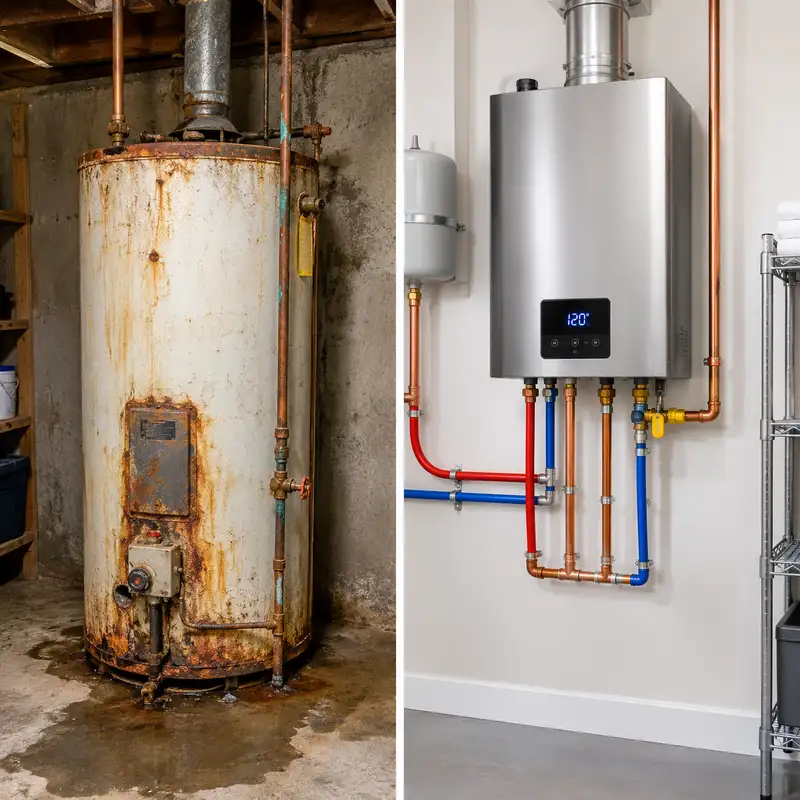
Water Heater Replacement
Lakeside, CA
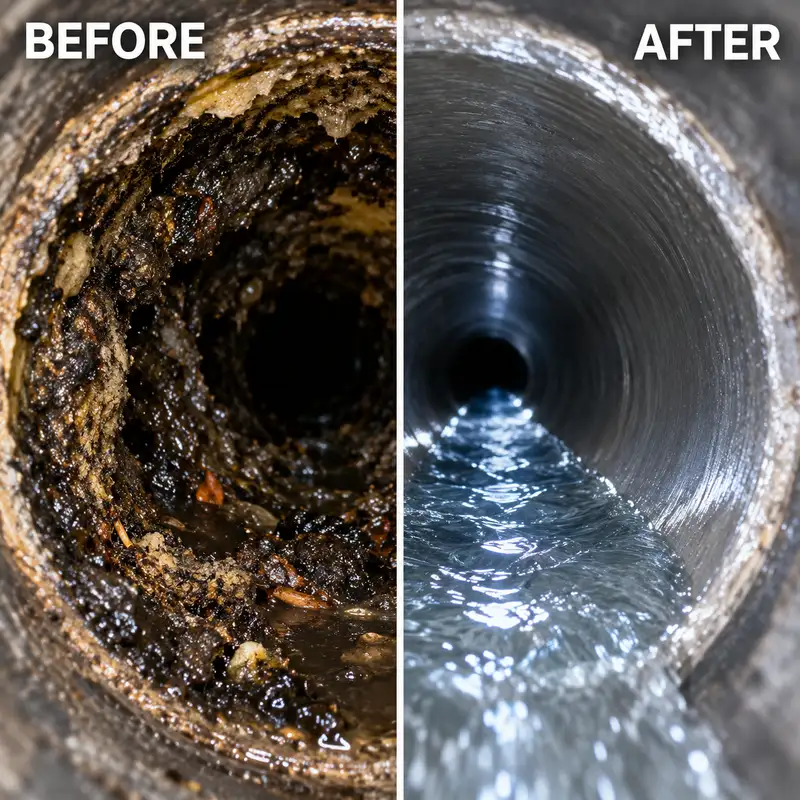
Drain Cleaning
Lakeside, CA
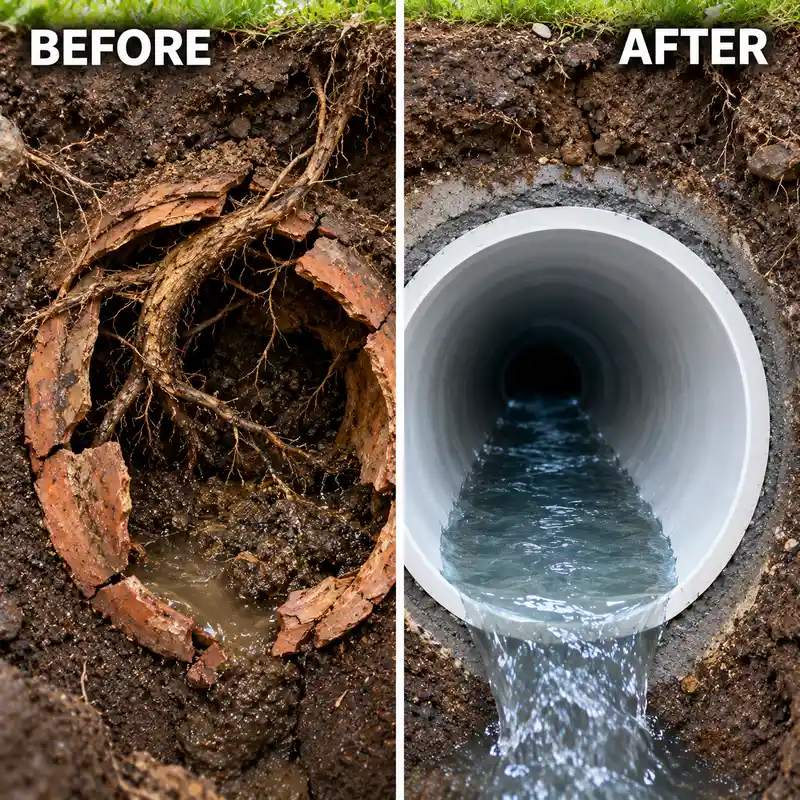
Sewer Line Repair
Lakeside, CA
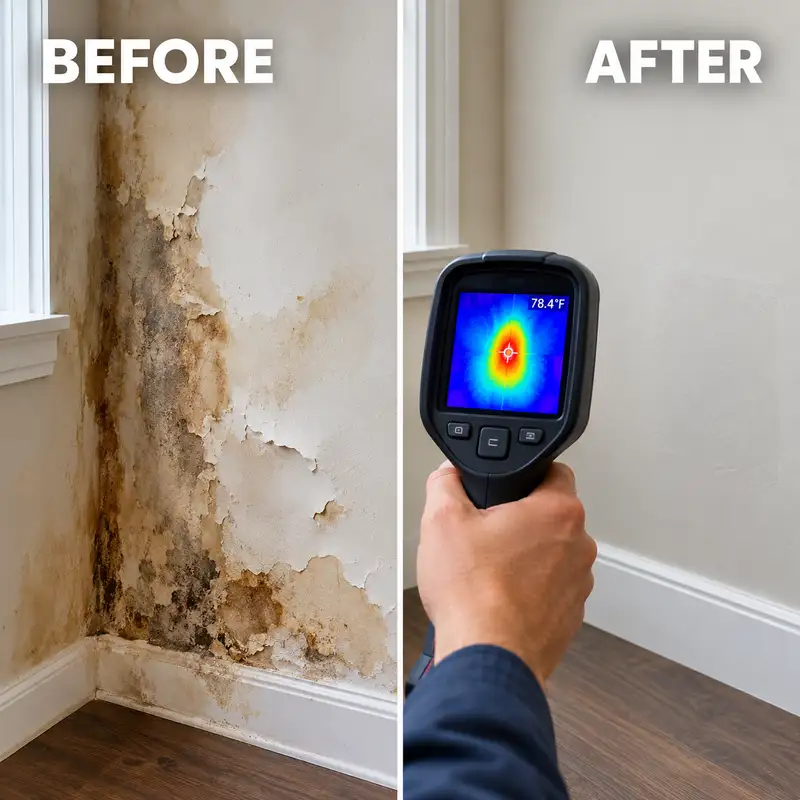
Leak Detection
Lakeside, CA
Neighborhoods We Serve in Lakeside, CA 92040
We’re not a San Diego-wide chain spread thin — we focus on Lakeside and East County.
Also serving homes along Highway 67, Highway 8 Business, Magnolia Ave, and Woodside Ave.
What is a slab leak, and why are they common in Lakeside?
A slab leak is a leak in the water supply lines that run under your concrete foundation (slab). In Lakeside, most of these are:
- Hot water line leaks – from years of heat, pressure, and corrosion
- Cold water line leaks – from pinhole corrosion or stress cracks
- Fitting or joint failures – where copper meets copper or copper to valve
Why Lakeside sees so many slab leaks
Three local factors make slab leaks more likely here than in newer subdivisions:
- Expansive clay soil
Much of Lakeside sits on expansive clay that swells when wet and shrinks in dry spells. That movement stresses copper pipes under the slab and can cause:- Fatigue cracks
- Joint failures
- Corrosion at contact points with rebar or rocks
- 1970s–80s copper under slab
Many homes in West Lakeside, Lindo Vista, and parts of Carlton Hills were built with copper water lines embedded in or under the slab. After 30–50 years, that copper is often:- Thinned from corrosion
- Pitted from hard water minerals
- Stressed from soil movement
- Hard water and mineral buildup
Lakeside’s hard water leaves calcium and lime inside pipes. Over time this can:- Narrow the inside diameter
- Increase pressure on weak spots
- Accelerate corrosion where minerals trap moisture against the metal
Put these together and you get a perfect storm for slab leaks.
Signs you may have a slab leak in your Lakeside home
Not every high water bill is a slab leak, but these signs together are a strong signal:
- Sudden increase in water bill with no change in usage
- Sound of running water when all fixtures are off
- Warm spots on the floor (especially on concrete)
- Damp carpet or flooring with no visible leak
- Cracks in walls, tile, or foundation that seem to be getting worse
- Low water pressure at multiple fixtures
- Water meter spinning when everything in the house is shut off
If you’re seeing two or more of these, it’s time for a professional slab leak inspection.
Our slab leak detection process in Lakeside
We don’t guess and we don’t start cutting until we know where the leak is. Here’s how we do it.
1. Live answer and quick triage
A real person answers, not a voicemail. We ask:
- What symptoms are you seeing? (high bill, warm floors, sounds, etc.)
- How long has this been going on?
- Any recent plumbing work or known leaks?
We give you an ETA and simple steps (like shutting off irrigation or avoiding heavy water use) until we arrive.
2. Pressure test the system
On arrival, the plumber:
- Shuts off all water‑using appliances and fixtures
- Isolates the hot and cold lines
- Uses a pressure gauge to see if the system holds pressure
If the pressure drops, that confirms a leak somewhere in the system.
3. Electronic acoustic leak detection
We use electronic acoustic listening devices that pick up the sound of water escaping under the slab. The plumber:
- Moves the sensor across the floor in a grid pattern
- Listens for “hissing” or “rushing” sounds that indicate a leak
- Marks the area where the sound is strongest
This narrows the search from “somewhere under the house” to a specific zone.
4. Thermal imaging (when it helps)
For hot water line leaks, we often use a thermal camera to see temperature differences in the floor. Hot water leaking under the slab creates a warm patch that shows up clearly on the camera.
This step:
- Confirms the acoustic findings
- Helps avoid unnecessary cutting
- Gives you visual proof of where the leak is
5. Camera and correlation (if needed)
In more complex cases, we may:
- Run a small camera through accessible lines
- Use leak noise correlators that triangulate the leak based on sound travel time
The goal is the same: pinpoint the leak so we can repair it with minimal damage to your floors and foundation.
Slab leak detection costs in Lakeside (2026 ranges)
We know price matters. Here’s what most homeowners in 92040 and East County can expect.
- Slab leak detection (locate only): typically $150–$300, depending on home size and complexity
- Slab leak repair (access + fix): commonly $800–$3,500+, depending on:
- Depth of the pipe
- Floor type (tile, wood, carpet)
- Whether multiple leaks are found
- Repiping option (if recommended): whole‑house repipe can range from $6,000–$15,000+, depending on size and layout
We always give a written estimate before starting. If we find more than one leak or additional issues, we call you with options and prices before we proceed.
Repair options once the leak is found
Finding the leak is only step one. Then you have choices.
1. Spot repair through the slab
We cut a small section of the floor over the leak, expose the pipe, and:
- Replace the bad section with new copper or PEX
- Pressure test to confirm the fix
- Patch the concrete and coordinate flooring repair if needed
Best for:
- Single, isolated leaks
- Pipes that are otherwise in good condition
2. Reroute the line (above or around the slab)
In some cases, we can:
- Cap the leaking line under the slab
- Run a new line through walls, attic, or crawlspace instead
Best for:
- Homes where accessing the slab is very disruptive
- Lines that have failed multiple times
3. Whole‑house repipe
If you have:
- Multiple slab leaks
- Very low flow from corroded galvanized or old copper
- A history of frequent plumbing repairs
A full repipe with PEX or copper may be the smarter long‑term investment.
We explain each option in plain English, with pros, cons, and costs, so you can choose what fits your home and budget.
Local conditions that make slab leaks worse in Lakeside
Your slab doesn’t live in a vacuum. Local factors matter.
Expansive clay soil and foundation movement
Much of Lakeside is built on expansive clay soil that:
- Swells in wet seasons
- Shrinks in dry spells
- Shifts under temperature changes
That movement stresses copper pipes under the slab and can cause fatigue cracks over time.
Older homes and older copper
In West Lakeside, Lindo Vista, and parts of Carlton Hills, many homes were built in the 70s and 80s with:
- Copper water lines under or in the slab
- Minimal insulation between pipe and concrete
- No easy access for future repairs
These lines are now 30–50 years old—well past their typical service life in our soil.
Hard water and mineral stress
Lakeside’s hard water leaves calcium and lime inside pipes. Over time this can:
- Narrow the inside diameter
- Increase pressure on weak spots
- Trap moisture against the metal and accelerate corrosion
Combined with soil movement, this makes slab leaks more likely as homes age.
Frequently Asked Questions

Ready to find and fix your slab leak?
If your water bill is spiking or your floors feel warm, don’t wait for the next big leak. Call us and we’ll send a local plumber who knows Lakeside slabs, soil, and copper lines.